




The Key Roles of Urban Cleaning Tricycles in Modern City Sanitation
Modern urban construction is not only about towering buildings and smooth roads, but also about meticulous environmental sanitation and comfortable living experiences. A clean city image relies on systematic and refined sanitation work, and large-scale sanitation trucks can hardly meet the diversified and detailed cleaning demands of urban micro-spaces. As a lightweight, eco-friendly and highly practical sanitation tool, urban cleaning tricycles have evolved from a simple garbage transportation tool into a core equipment for urban refined sanitation management. They play an irreplaceable role in optimizing urban environmental quality, improving sanitation efficiency, reducing operating costs and boosting urban green development.
1. Fill Sanitation Blind Spots to Realize Full-Coverage Urban Cleaning
The urban sanitation system covers a wide range of spaces, including wide main roads accessible to large vehicles and numerous narrow alleys, community internal roads, scenic pedestrian paths and old block lanes that are inaccessible to heavy sanitation equipment. These scattered small spaces are prone to accumulating litter, fallen leaves and domestic waste, and have long been the blind spots of traditional urban cleaning work.
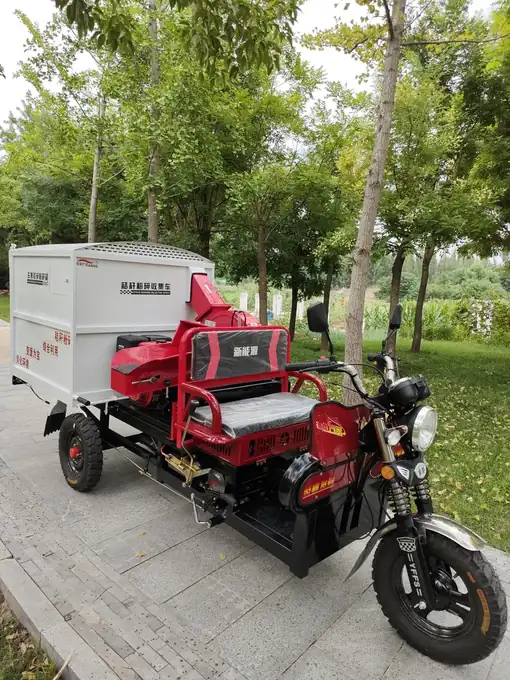
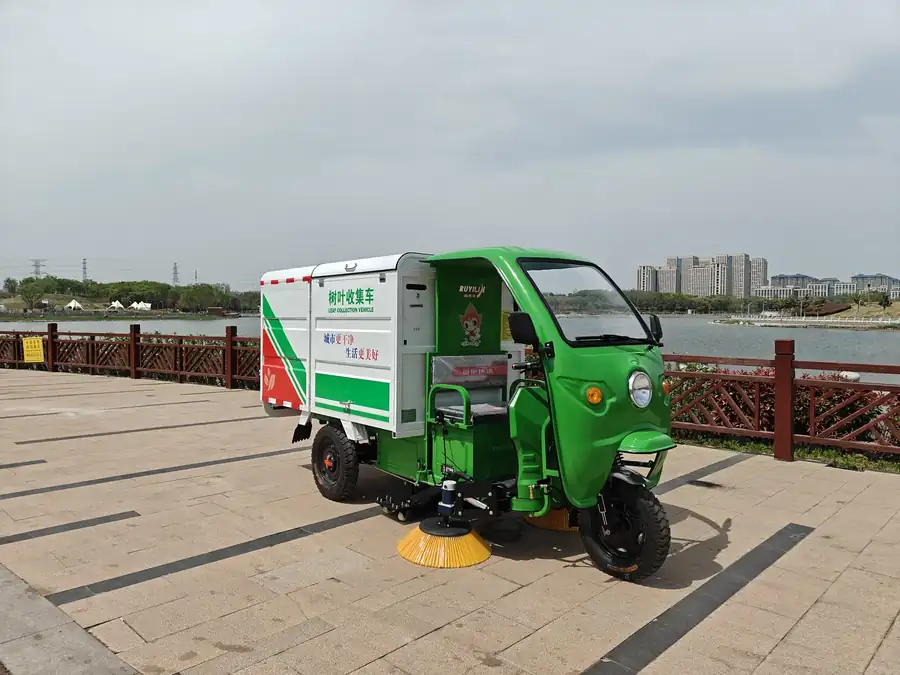
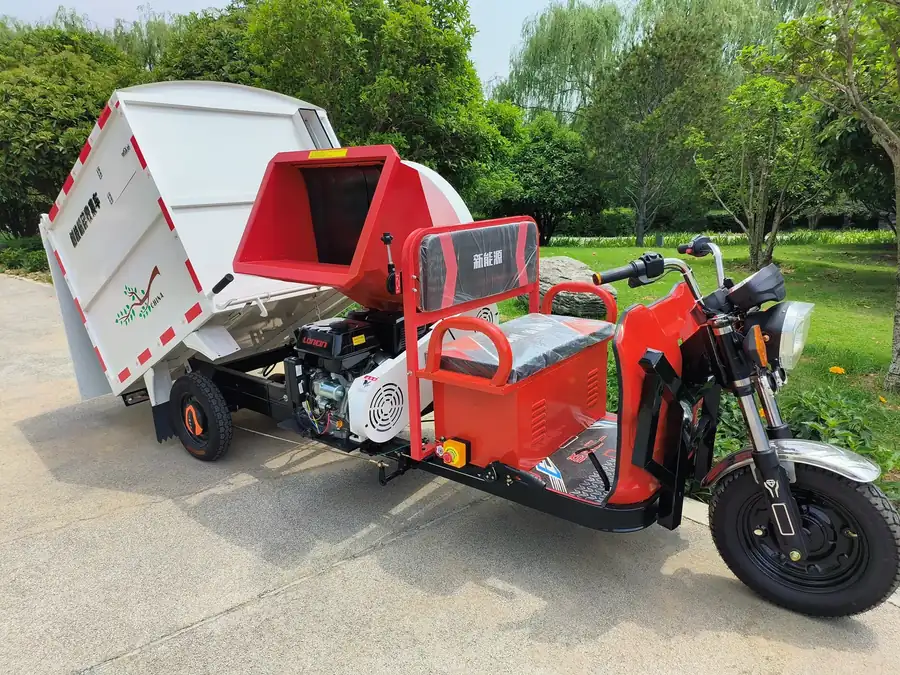
Urban cleaning tricycles feature a compact body, flexible steering and a small turning radius, allowing them to shuttle freely in various narrow and complex road conditions. They can thoroughly clean up hidden garbage in corners, fill the cleaning loopholes of large sanitation vehicles, and realize no dead ends in urban surface cleaning. This core role makes the overall urban environmental sanitation more uniform and thorough, effectively avoiding partial environmental mess caused by inaccessible cleaning equipment.
2. Improve Refined Sanitation Efficiency and Reduce Operational Costs
Efficiency and cost control are key indicators of modern urban sanitation management. Compared with large sanitation trucks that consume high energy, require professional operation and have high maintenance costs, electric urban cleaning tricycles have prominent advantages in daily refined cleaning. They start quickly and can respond to cleaning demands in real time, enabling sanitation workers to conduct patrol cleaning, timely garbage collection and on-site disposal of sudden litter pollution.
Different from the centralized and regular cleaning mode of large vehicles, cleaning tricycles support dynamic and all-day cleaning. They can finish daily garbage sorting and transportation, road surface maintenance and facility cleaning with low energy consumption and zero fuel cost. Meanwhile, their simple operation mode lowers the employment threshold for sanitation work, and the low failure rate and maintenance cost greatly reduce the daily operating expenditure of urban sanitation departments, achieving high-efficiency and low-cost urban environmental management.
3. Prevent Secondary Pollution and Boost Green Urban Development
Green and low-carbon environmental protection is an important concept of modern urban construction. Traditional fuel sanitation equipment will produce exhaust emissions and noise pollution during operation, while electric cleaning tricycles completely conform to the green development trend of cities. They operate with zero exhaust emission, no air pollution and low running noise, and will not disturb the daily life of residents, campus teaching and hospital medical treatment, creating a quiet and healthy cleaning environment.
In addition, most modern cleaning tricycles are equipped with fully sealed garbage bins and anti-leakage structures. This design effectively prevents garbage leakage, sewage dripping and odor diffusion during the process of garbage collection and transportation, thoroughly solving the problem of secondary pollution caused by traditional open garbage transportation. For urban green belts, parks and scenic areas, multi-functional cleaning tricycles can also complete dust removal and green maintenance without damaging landscape facilities and vegetation, protecting urban ecological and landscape environment.
4. Support Emergency Sanitation and Maintain Urban Operational Order
Urban sanitation work is not limited to daily fixed cleaning, but also needs to cope with various sudden and special scenarios to guarantee stable urban operation. Cleaning tricycles play a vital auxiliary role in municipal emergency sanitation work. In extreme weather such as rain and snow, they can quickly clean up road ponding, fallen branches and residual snow, eliminating potential safety hazards for pedestrians and vehicles.
During urban construction, large-scale events, festivals and peak passenger flow periods, cleaning tricycles can quickly dispose of construction waste and intensive tourist litter, restore urban environmental neatness in a short time. Moreover, they can enter traffic-restricted areas and pedestrian-only zones to complete targeted cleaning, ensuring that the urban environment remains clean and orderly in various special periods, and effectively maintaining the overall operational image of the city.
5. Upgrade Urban Management Level and Enhance Residents' Wellbeing
Urban sanitation is a window of urban civilization and an important part of people's livelihood construction. The popularization of cleaning tricycles realizes the transformation of urban sanitation from extensive large-scale cleaning to refined micro-management. The timely and meticulous cleaning work effectively improves the cleanliness of residential communities, streets, scenic spots and public venues, greatly optimizing the urban living and tourism environment.
A clean and tidy urban environment directly enhances residents' sense of acquisition and wellbeing, and also shapes a clean and civilized urban external image. As an essential sanitation tool for refined urban governance, cleaning tricycles quietly support the continuous upgrading of urban management level and help build a more livable, beautiful and civilized modern city.
Conclusion
Urban cleaning tricycles are far more than simple garbage transport vehicles. They are important practitioners of urban refined sanitation, green environmental protection and efficient governance. With the unique advantages of flexible operation, low carbon and energy saving, wide applicability and low cost, they make up for the deficiencies of traditional sanitation equipment, guard the cleanliness and order of urban spaces in an all-round way, and become an indispensable cornerstone of modern urban environmental construction and high-quality development.